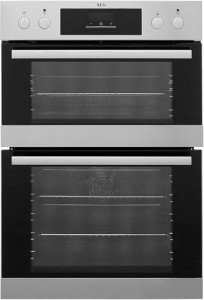
The Next Big Thing In Integrated Electric Oven
The Rise of Integrated Electric Ovens: A Comprehensive Guide
Integrated electric ovens are becoming increasingly popular in modern-day kitchens due to their smooth style, energy effectiveness, and advanced cooking features. Developed to blend seamlessly with kitchen cabinetry, these appliances not only boost looks however likewise supply a variety of performances that accommodate the cooking needs of modern families. This article will dig into the advantages of integrated electric ovens, how they compare to conventional ovens, and crucial elements to think about when purchasing one.
What is an Integrated Electric Oven?
An integrated electric oven is developed to be built into kitchen cabinetry, offering a streamlined look that makes the most of space efficiency. Unlike freestanding built under electric oven and hob packages , integrated designs frequently include a flush fit with cabinetry and feature styles that can match or match the surrounding kitchen decor. These ovens typically feature a large selection of performances, consisting of convection cooking, self-cleaning options, and smart innovation features.
Advantages of Integrated Electric Ovens
The appeal of integrated electric ovens lies in their numerous advantages. Below are some of the essential advantages:
Aesthetic Appeal
- Integrated ovens provide a clean and modern appearance.
- They can be personalized to match the kitchen's cabinetry and style theme.
Area Efficiency
- Developed to maximize the readily available kitchen area.
- Suitable for smaller sized kitchens where freestanding models might be cumbersome.
Advanced Cooking Features
- Numerous designs include functions such as convection heat, steam cooking, and multiple cooking modes.
- Smart ovens can even connect to Wi-Fi for remote monitoring and control.
Energy Efficiency
- Electric ovens typically supply more consistent heating and faster cooking times compared to gas ovens.
- Newer models are created with energy-saving innovations, which can help in reducing energy expenses.
Improved Safety
- Integrated ovens normally consist of features such as auto shut-off and child lock functions for included safety.
Table 1: Comparison of Integrated Electric Ovens and Traditional Ovens
Function
Integrated Electric Oven
Conventional Oven
Design
Built-in, flush-fitting
Freestanding, uses up more space
Cooking Efficiency
Normally quicker, more even heating
Varies, generally longer warm up
Visual Integration
Smooth with cabinetry
Standout device
Space Usage
Space-saving
Requires more floor space
Advanced Features
Typically consists of smart technologies
Minimal technological combination
Energy Efficiency
Normally more energy-efficient
Can vary by model
Secret Features to Look For in Integrated Electric Ovens
When looking for an integrated electric oven, numerous functions ought to be considered to guarantee you select a model that fits your cooking style and choices. Here are some essential functions to think about:
Size and Capacity
- Try to find ovens that fit within your kitchen cabinetry and evaluate internal capability based upon your cooking needs.
Cooking Modes
- Think about models that offer numerous cooking functions including bake, broil, steam, and convection to expand cooking possibilities.
Self-Cleaning Options
- Self-cleaning modes conserve effort and time in keeping the oven.
Control Options
- Touchscreen controls or wise tech combination for remote access can include benefit to cooking.
Energy Rating
- Pick energy-efficient designs with good ratings to make sure lower operating expense.
Guarantee and Support
- Check for warranties to cover repair work and replacements and the accessibility of customer care.
FAQs
Q1: What makes integrated electric ovens various from built-in ovens?
A1: Integrated electric ovens are particularly developed to blend into cabinetry, providing a smooth visual, while built-in ovens may not necessarily have the same flush style and frequently stand out more as individual appliances.
Q2: Are integrated electric ovens more pricey than conventional ovens?
A2: Generally, integrated electric ovens can be more costly due to their style and advanced features. However, the long-lasting energy savings and enhanced effectiveness often offset the preliminary expense.
Q3: How do I ensure appropriate setup of an integrated electric oven?
A3: It is recommended to work with an expert for setup, as integrated ovens require exact measurements and can involve electrical connections that need to abide by local building codes.
Q4: Can I customize the appearance of my integrated electric oven?
A4: Yes, many makers use personalized panels or finishes to match your kitchen cabinetry, enabling a completely integrated look.
Q5: What maintenance does an integrated electric oven typically require?
A5: Regular cleaning, specifically after heavy usage, and checking seals and vents for wear are advised to maintain the oven's functionality and look.
In conclusion, integrated electric ovens are a useful and trendy addition to contemporary kitchens. Their advantages consist of visual appeal, energy effectiveness, and advanced cooking features, making them a popular option for home cooks. Comprehending the crucial qualities and comparing various models can assist customers make notified buying decisions and select an integrated oven that best matches their culinary requirements and kitchen style. With their seamless integration and technological improvements, these ovens are poised to end up being staples in the kitchen for many years to come.